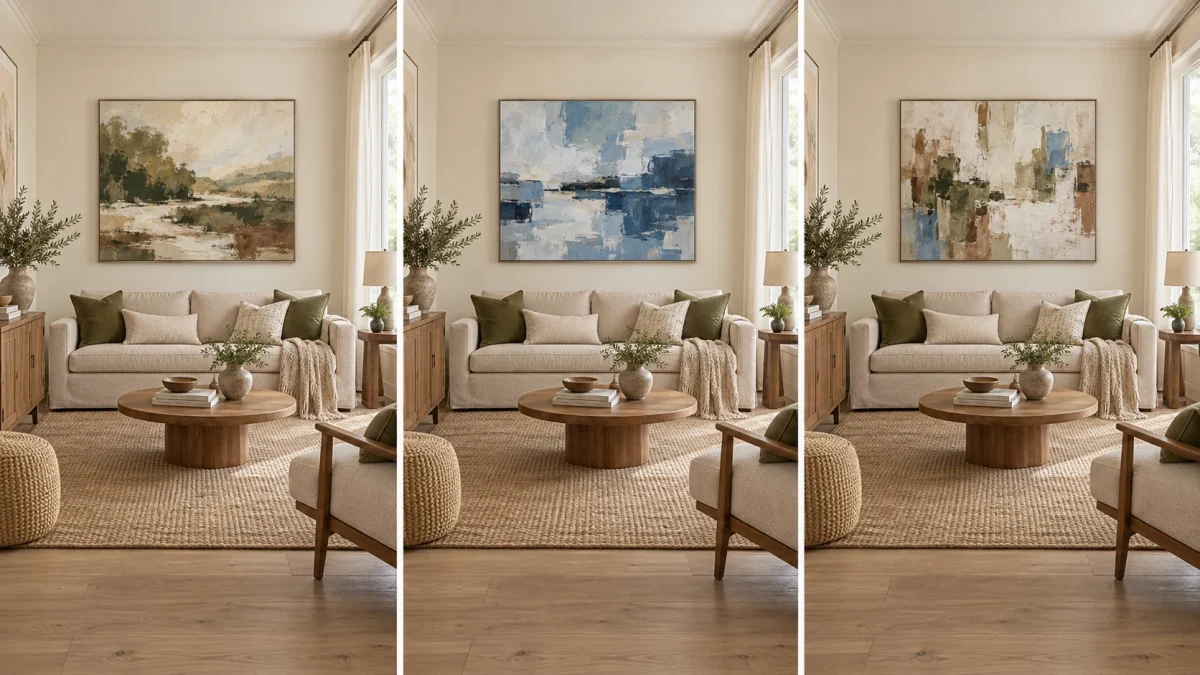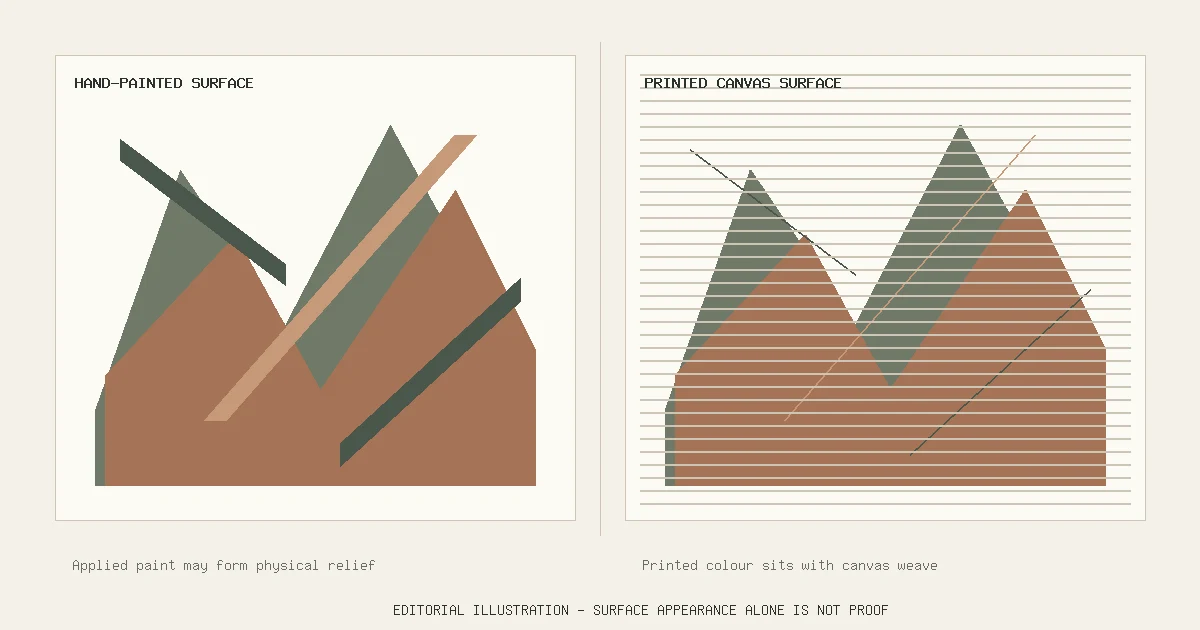
The safest way to care for an oil painting is to prevent damage rather than repeatedly clean the painted surface. Keep it away from direct sunlight, strong heat sources, water, grease and rapid humidity changes. Avoid touching the front or pressing the back of the canvas. Do not use household cleaners, wet cloths, vacuums, solvents or canned air on the paint surface. If paint is lifting or flaking, or if the painting is mouldy, torn, badly distorted or water-damaged, stop cleaning and contact a paintings conservator. When you are uncertain about the surface, doing less is safer than trying an untested cleaning method.
Care scope: This guide covers preventive household care for typical hand-painted oil paintings on canvas. Safe handling can vary with the canvas, ground, paint layers, surface coating, frame, stretcher, texture and previous damage. It is not a restoration manual and cannot replace examination of a specific painting by a qualified conservator.
How This Care Guide Was Prepared
Room Oil Painting product records were read only to verify real formats, canvas configurations, frame choices, sizes and surface descriptions. The care guidance comes primarily from the Canadian Conservation Institute and the Smithsonian Museum Conservation Institute. Search-result research was used to identify the questions buyers ask and the unsafe shortcuts that recur online, not as the authority for cleaning or treatment. This article focuses on prevention, condition awareness and clear stop points. It does not claim that we employ conservators, and it does not provide instructions for varnish removal, surface washing, tear repair, mould removal or other conservation treatment.
A Painting Is More Than a Painted Surface
A typical canvas painting may include a decorative frame, optional glazing held away from the image by a spacer, paint layers, a ground, canvas tensioned over a stretcher or strainer, and an optional rigid backing board. A surface coating or varnish may be present, but not every oil painting is varnished. Each layer can respond differently to pressure, moisture, temperature and cleaning materials. That is why a harmless-looking wipe can affect more than the dust you can see.

Everyday Oil Painting Care: Do and Don’t
Do
- Choose a stable indoor location away from direct sun and heat.
- Inspect the surface before touching, dusting or moving it.
- Use hanging hardware suited to the finished weight and wall.
- Hold the frame or stable structural sides with both hands.
- Make a dated photo record of the front, back and frame.
- Ask a conservator when paint or structure appears unstable.
Don’t
- Touch the painted face or press the canvas from behind.
- Wet-wipe, polish or use household cleaner on the paint.
- Point a vacuum nozzle or compressed air at the surface.
- Hang above a working fireplace or beside a heater or vent.
- Stack objects against the painted face during storage.
- Glue, tape, flatten or repaint damaged areas yourself.
Choose a Safe Place to Hang It
Start with the room, not the wall hook. A secure interior wall with moderate, stable conditions is generally safer than a place exposed to direct sun, heat, condensation, food splashes or repeated contact. Leave enough clearance around the painting for air movement and safe handling. For planning the wall footprint, see the oil painting size guide.

Where Not to Hang an Oil Painting
| Location or situation | Main risk | Safer approach |
|---|---|---|
| Direct sunlight | Cumulative light exposure, colour change and local heating | Use an interior wall outside the path of direct sun |
| Above a working fireplace | Radiant heat, soot, smoke and rapid change | Choose a wall away from the heat source |
| Beside a radiator, heater or HVAC vent | Local hot, cold or dry airflow and repeated fluctuations | Move the painting outside the direct airflow zone |
| Bathroom, damp basement or hot attic | High humidity, mould, condensation or temperature extremes | Use a stable occupied interior room |
| Kitchen cooking zone | Grease, smoke particles, heat and splatter | Display well away from cooking and extraction areas |
| Dining splash zone | Food and drink droplets | Increase distance from serving and seating activity |
| Poorly insulated exterior wall | Cold surfaces, condensation and seasonal fluctuations | Prefer a more stable interior wall |
| Busy hallway or beside a door | Knocks, rubbing and direct handling | Use a wider, protected wall zone |
| Beside frequently misted plants | Water droplets and persistent local moisture | Keep watering and misting well away from the artwork |
Control Light, Heat and Humidity
Light damage is cumulative. Pigments and coatings can change, and support materials can weaken over long exposure. Direct sunlight also heats the surface unevenly. Curtains, blinds and UV-filtering products can reduce part of the exposure, but UV control does not eliminate visible-light damage or local heating. The safest practical choice is to keep direct sun off the painting rather than treat filtering as permission for full sun.
Strong picture lights and heat-producing spotlights deserve the same attention. Keep lamps far enough away that they do not create a hot spot, and favour moderate, low-heat illumination without prolonged high-intensity exposure. The Canadian Conservation Institute’s environmental guidance explains that visible and ultraviolet light exposure accumulates over time.
For humidity, aim for moderation and stability. Roughly 40-60% relative humidity is a useful broad reference range for many household situations, not a product warranty or a perfect number for every painting. Prolonged high humidity increases the risk of mould, distortion and adhesion problems. Very dry conditions can make paint and support layers more brittle. Rapid swings are especially undesirable because canvas, wood, ground and paint do not all move in the same way. Avoid direct humidifier output, open-window drafts, heating vents, radiators and cold exterior walls.
Prevent Water, Grease and Airborne Grime
Prevention is safer than trying to remove a deposit later. Cooking oils, smoke particles, dust and beverage splashes can settle on paint or varnish and become difficult to distinguish from an aged surface coating. Keep paintings away from active cooking zones, smoking, open flames and tables where spills are likely. Do not spray furniture polish, glass cleaner, perfume, insecticide or plant mist near the artwork.
Check pipes, roofs and exterior walls for recurring moisture before choosing a display or storage location. A painting directly under a leak or resting on a floor is exposed to avoidable water risk. Nearby houseplants are not automatically unsafe, but watering and misting should happen far enough away that droplets and sustained dampness cannot reach the canvas or frame.
What You Should Never Use on an Oil Painting
Do not use a wet or damp cloth, household cleaner, soap, alcohol, solvent, cleaning paste, polish, baby oil, linseed oil, vinegar, saliva, bread, potato, onion or an eraser on the painted surface. Do not point a vacuum nozzle or compressed air at it. Avoid feather dusters, stiff brushes and cloths whose fibres can catch raised paint. The fact that a method removes dirt does not show that it is safe for the paint, varnish or ground beneath it.
Yellowing, cloudiness, dullness and sticky grime can come from different layers and causes. Do not remove varnish, apply new varnish, oil the surface, retouch losses or wash the painting without a professional assessment. CCI Note 10/1, Cleaning Paintings: Precautions, explains why interpreting and testing paint, coating and cleaning interactions requires conservation knowledge and experience.
Can You Dust an Oil Painting Yourself?
Do not begin with a brush. Begin by examining the painting in good, even light without touching it. Micro-flaking may be difficult to see, and brushing can remove loose paint. The Smithsonian permits very gentle dusting with a clean, soft natural-hair artist brush only when there are no signs of loose or flaking paint and the surface is stable. It also warns that brushing a matte surface can burnish it and leave a permanent glossy mark.
Do you see lifting paint, loose flakes, raised cracking, mould, water staining, a tear or fragile high texture?
Do not brush or clean the surface. Limit handling and seek conservation advice.
Is the surface highly matte or heavily textured?
Confirm appropriate care for that particular surface first.
Consider very gentle conservative dusting under museum guidance.
Room Oil Painting’s editorial default is deliberately conservative: if you cannot confidently determine that the surface is stable, do not brush it. Dust the surrounding wall and exterior frame carefully without directing debris or cleaning liquid toward the image. The Smithsonian Museum Conservation Institute provides the conditional brush guidance and the warning about matte surfaces.
Extra Care for Textured and Impasto Oil Paintings
Visible texture, raised texture and heavy impasto are not interchangeable descriptions. A painting can show directional brushwork and modest raised passages without having sculptural peaks. Whatever the degree, projecting paint is more exposed to rubbing, snagging, pressure and contact with packing materials. Cloth threads can catch a ridge, while pressure from a box, another artwork or a hand can flatten or fracture a vulnerable passage.
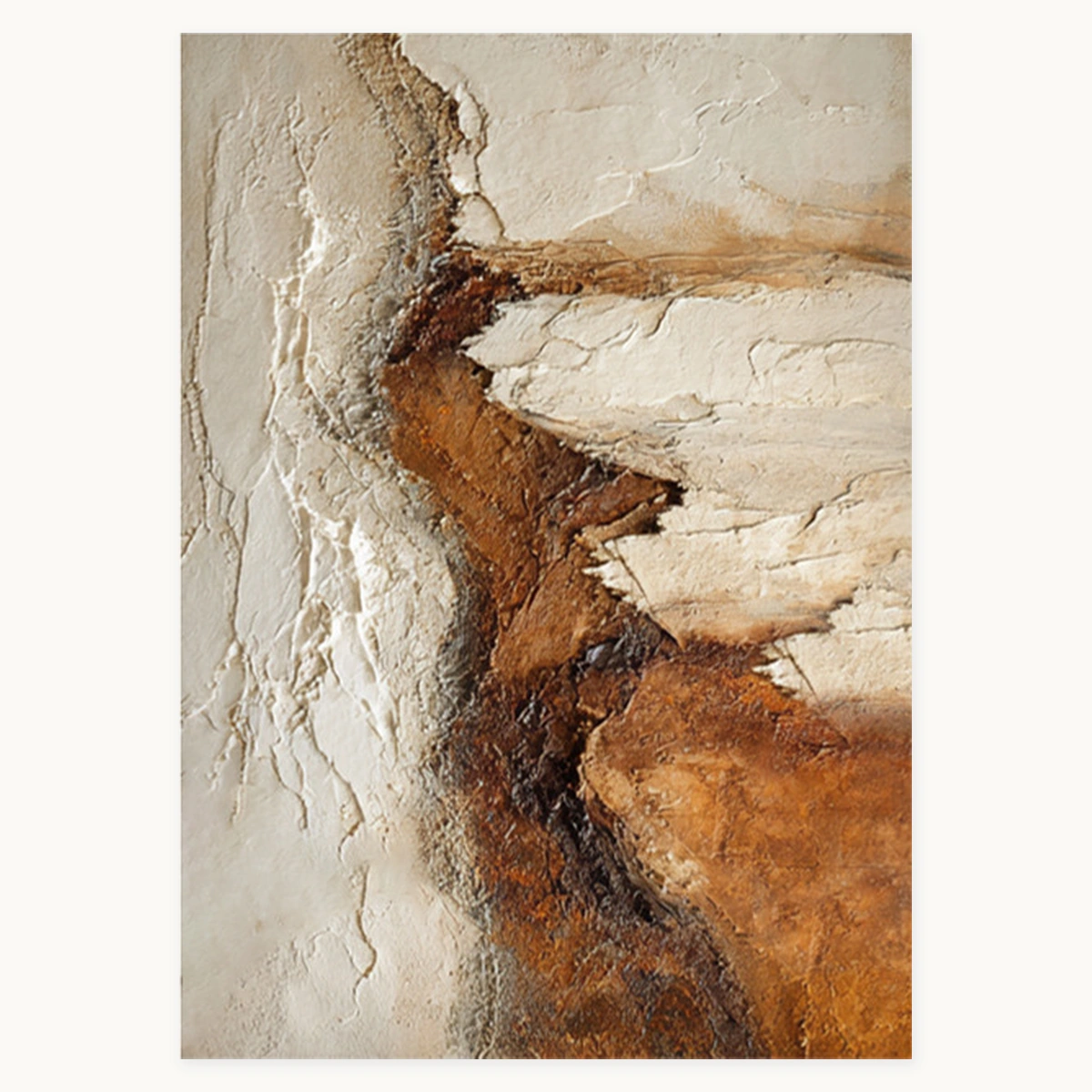
If texture is cracked, lifting, loose, sticky or unusually fragile, do not dust it. Do not press wrapping directly against raised paint during a move. Create physical clearance around the front through an appropriate frame, travel frame or professionally planned packing system. The product example above supports a care lesson about contact risk; it does not mean every textured painting has the same paint thickness or condition.
Frame, Backing Board and Glazing
A decorative frame is not only a visual border. It can reduce direct handling of vulnerable edges and add rigidity during display or movement. It cannot by itself prevent humidity damage, water exposure or every impact. For the visual and dimensional choice between current frame options, read Framed vs. Unframed Oil Paintings.
A properly fitted rigid backing board can protect the canvas back from puncture, reduce vibration, limit debris and buffer rapid humidity changes. Installation is not a casual DIY job: screws, pressure, incorrect spacing or a board fitted against unstable material can cause harm. If a painting has no backing and long-term protection matters, ask a qualified framer or conservator about an appropriate system. CCI Note 10/10 explains backing-board materials and installation principles.
Oil paintings do not universally need glass, but glazing can provide front protection from contact, dust and pollutants in selected situations. Glass or acrylic must never touch the paint. A spacer and sufficient frame depth are required. Glazing changes weight, reflection, cleaning and breakage considerations. The products discussed here do not currently list glazing as a purchase option; this is general conservation context based on CCI Note 10/8.
Hang It Securely
Hanging hardware must suit the total finished weight, wall type and installation. A plaster wall, masonry wall and timber stud wall do not use one universal hook. Large or heavy works may need two installers and a mounting system selected for the specific wall. Do not rely on a decorative nail or an anchor with an unknown rating.
Check hooks, screws, anchors, wire and frame joints periodically and before or after a move. Wire can wear, fittings can loosen and anchors can shift. The end of a wire or another loose object must not press forward into the back of the canvas. Do not tap stretcher keys or try to re-tension a slack canvas unless you understand the structure; incorrect keying can damage paint or distort the support.
Handle and Move It Safely
Plan the route before lifting. Clear doors, furniture and trip hazards; remove watches, jewellery and sharp belt hardware. Check that the frame and paint are stable. Hold a sound painting with two hands at the sides of the frame or stable stretcher edges, keep it vertical and never carry it by the hanging wire or top edge alone. Do not place fingers on the paint or push against the canvas back.

Large works should be moved by two people, with a third person acting as a spotter when the route is difficult. Keep packing and other objects away from textured paint. For transport, control movement inside the vehicle and avoid prolonged exposure to extreme heat or cold. A fragile, freshly damaged or very large painting may need professional packing rather than an improvised blanket-and-box solution.
How to Store an Oil Painting When It Is Not on the Wall
Choose a stable, occupied interior area, such as a suitable central closet or dedicated room, rather than a damp basement, hot attic, garage or area near water pipes. Keep the painting raised from the floor. Store it upright with stable support and rigid front and back protection that does not touch the painted face. Leave separation between works so that frame ornament, wire or another painted surface cannot press against canvas.
Do not stack heavy objects on a canvas or place paint surface against paint surface. If several works must lean, give each one rigid separation and prevent sliding. Textured or fragile paint may require a purpose-built storage or travel frame. Avoid airtight wrapping in an uncontrolled damp environment unless a conservation professional has specified the materials and method for that painting.
Make a Simple Condition Record
Before the first hanging, photograph the front, back, frame and a few close views of texture in even light. Record the date, canvas size and selected frame configuration. Repeat the photographs before and after moving, or whenever you notice a change. This is not a museum condition report, but it gives you a baseline for comparing a new bulge, stain, crack or loose fitting and for communicating with a seller, insurer, framer or conservator.
Inspect periodically rather than on an arbitrary monthly schedule. Look for lifting paint, loose flakes, new cracks, bulges, tears, water staining, mould, insect activity, a loose frame, slack wire, failing anchors or condensation on the wall. A flat, stable crack pattern may not indicate active loss. Cracks with raised edges, movement, loose flakes or missing paint are different: stop dusting and handling.
Stop and Ask a Conservator If You See
- Lifting paint or cupped crack edges
- Loose flakes or active paint loss
- A tear, puncture or serious dent
- Severe distortion or a new bulge
- Mould or suspected mould
- Water damage or staining
- A damaged frame pressing on the artwork
- Suspected insect holes, powder or activity
- Unstable raised texture or high impasto
- A sticky surface or uncertain coating problem
Do not clean, flatten, glue, tape, repaint, re-tension or heat-dry these problems at home.

What to Do After Water, Mould or Physical Damage
If the painting gets wet
Put personal safety first and stop the water source if that can be done safely. Move the painting only when you can support it without touching wet paint or canvas. Do not wipe or scrub the image, force a distorted canvas flat, use a hair dryer, aim a heater or fan at close range, or place it in direct sun. Photograph the condition and contact a paintings conservator promptly. The consumer-safe response is deliberately simpler than the institutional drying procedures in CCI Note 10/5.
If you see mould or suspected pests
Mould may be a health concern as well as an artwork problem. Avoid unnecessary contact and do not brush, vacuum or spray it with household mould cleaner. Keep the affected work away from other artworks without pressing or wrapping the painted face, document what you see and seek professional advice. Small holes, powder-like frass or visible insects can indicate pest activity in wood, canvas or stored materials. Do not spray household insecticide onto the artwork; isolate the work carefully and ask a conservator or appropriate pest specialist for guidance.
If the canvas tears or paint flakes
Do not tape the back, glue a patch, iron a dent, fill a loss or press flakes into place. Delaying a canvas-tear assessment can allow threads to shift and become harder to realign. Save detached fragments in a clean, labelled container without applying adhesive. Reduce handling and arrange professional examination as soon as practical.
Real Care Examples From Our Collection
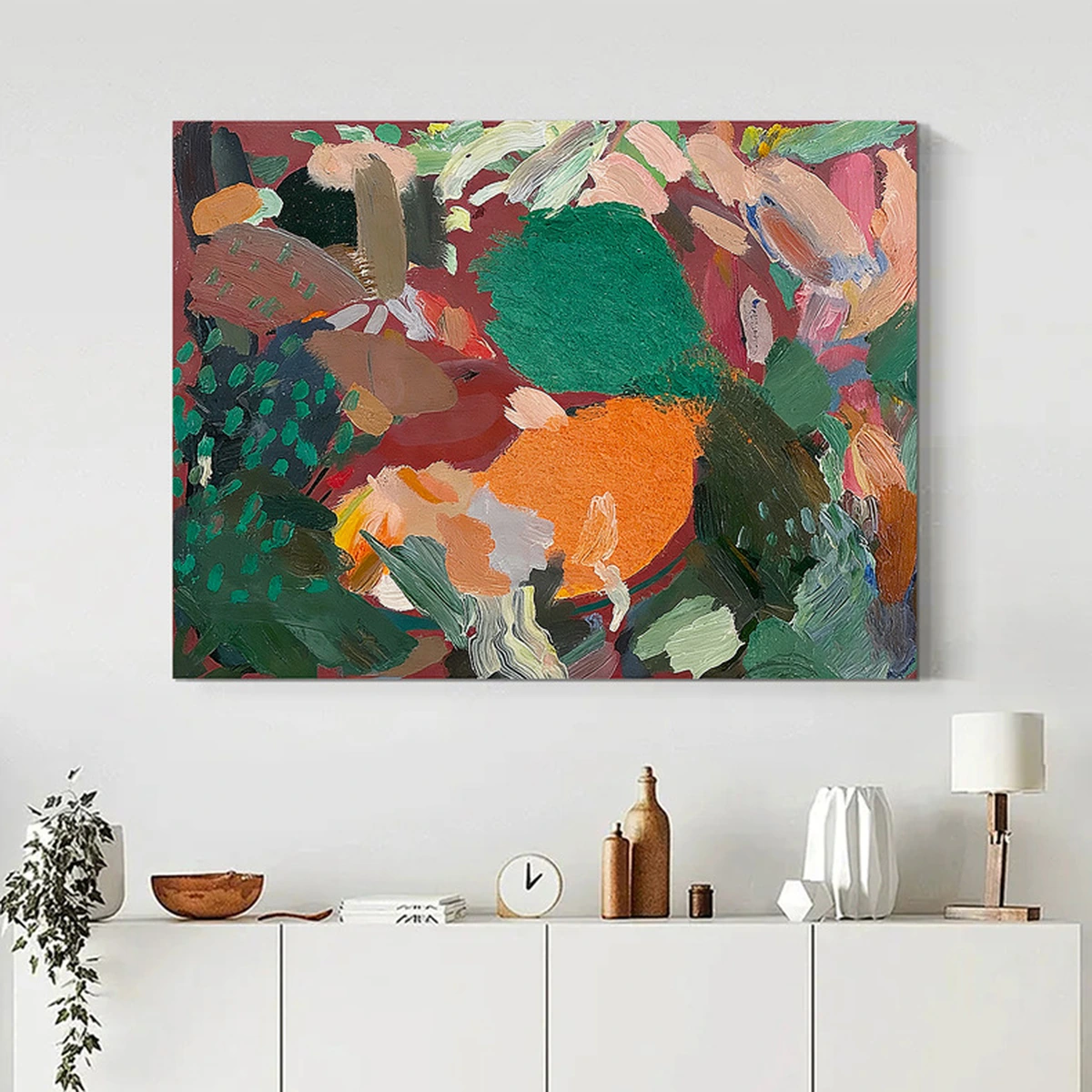
These examples use current product descriptions and images as evidence of real formats and care considerations. They are not damage demonstrations and do not claim that the pictured works have conservation problems.
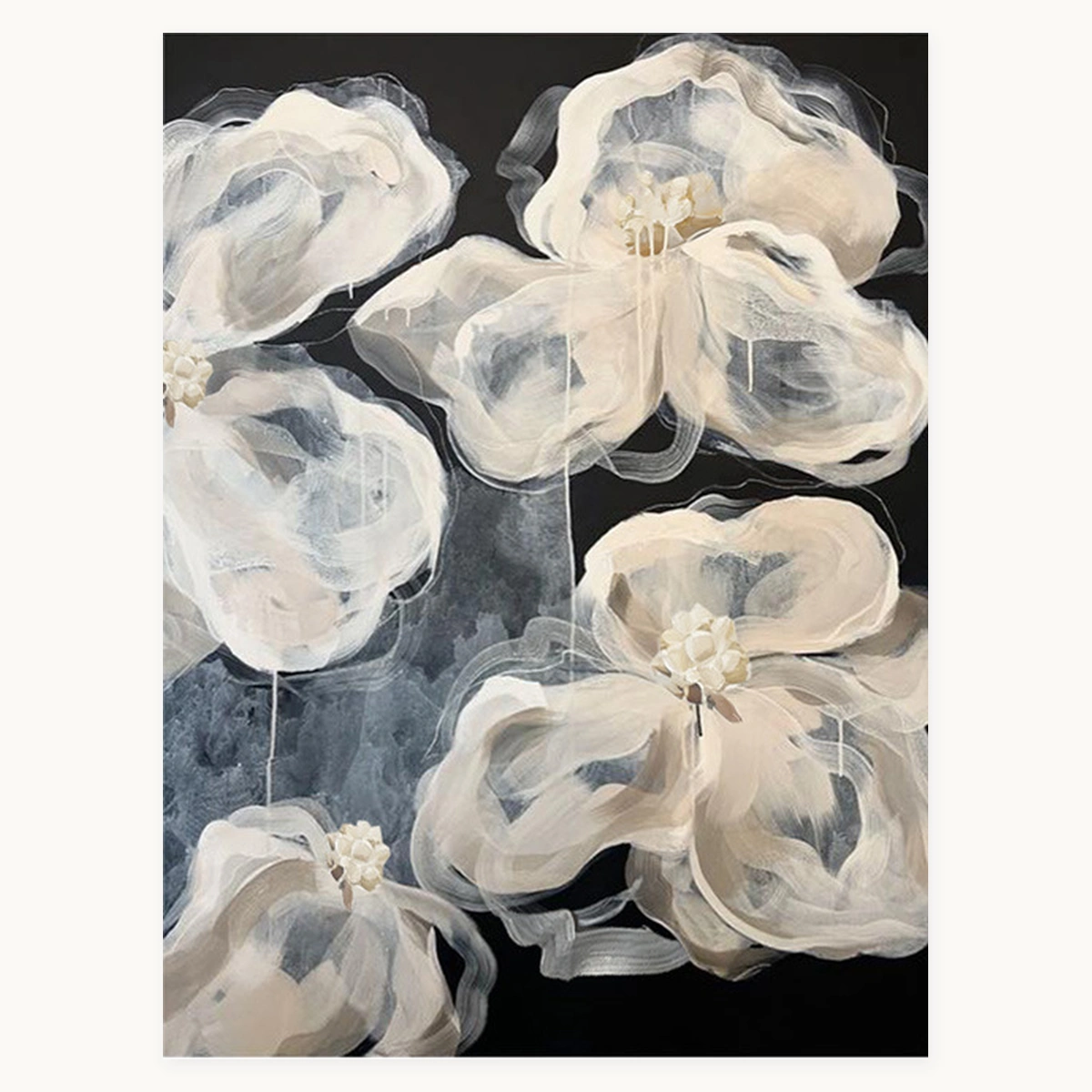
Joyful Stillness
Care lesson: sizes reach 120 × 180 cm. Plan the route, hardware and two-person handling before moving a large configuration.
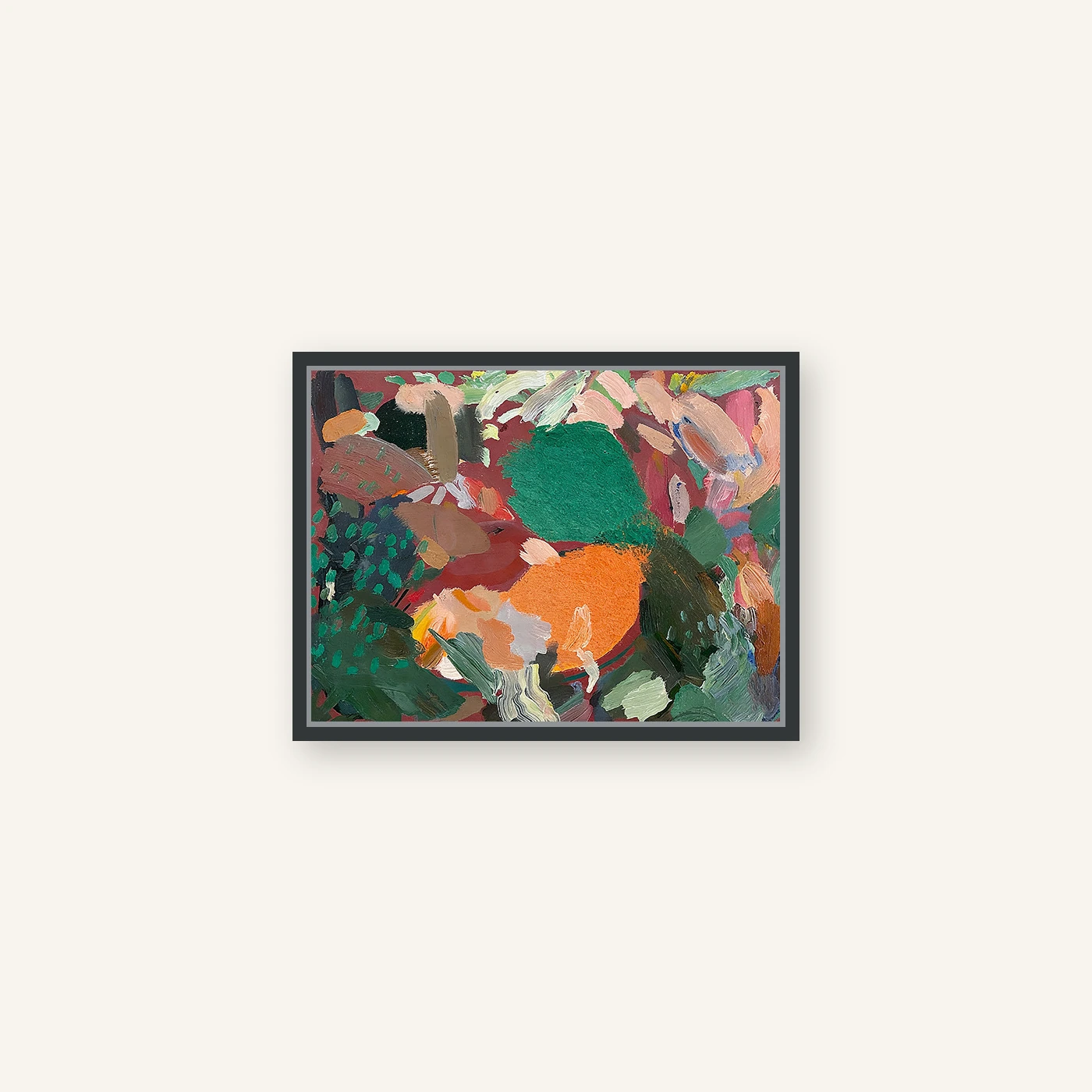
Chromatic Symphony
Care lesson: the listing records a 3.5 cm inner stretcher and current frame choices. Inspect the frame, wire and hanging system as part of routine care.
Oil Painting Care Checklist
- Keep direct sunlight, strong heat and concentrated lamp heat off the painting.
- Choose a stable interior location away from splashes, grease, vents and damp walls.
- Do not touch the paint or press the canvas back.
- Inspect before dusting; if uncertain, leave the surface alone.
- Use hardware suited to the wall and finished artwork weight.
- Check wire, hooks, anchors, frame joints and wall conditions periodically.
- Store upright, raised from the floor, with rigid protection and no surface contact.
- Photograph condition before hanging and before or after a move.
- Stop DIY care for lifting, flaking, tears, mould, water damage or severe distortion.
Frequently Asked Questions
Can I dust an oil painting myself?
Only when the paint is clearly stable, with no lifting, flaking, mould, water staining, fragile high texture or matte surface that could burnish. Smithsonian guidance allows an exceptionally light pass with a clean, soft natural-hair artist brush under those conditions. If you cannot confidently assess the surface, do not brush it.
Can I use a damp cloth on an oil painting?
No. Moisture can affect paint, varnish, ground or canvas, and cloth fibres can catch raised areas. Do not use water, soap, household cleaner, solvent, polish or food-based cleaning methods on the painted surface. Surface cleaning beyond carefully assessed dusting belongs with a trained paintings conservator.
Can sunlight damage an oil painting?
Yes. Light exposure is cumulative and may alter pigments or coatings and weaken support materials. Direct sun also creates local heat. UV filtering may reduce UV exposure but does not remove visible-light damage or heating, so keep the painting outside the path of direct sunlight.
What humidity is best for an oil painting?
Moderate and stable conditions matter more than chasing a momentary perfect number. Roughly 40-60% RH is a broad household reference, not a warranty for every painting. Avoid prolonged dampness, very dry conditions and rapid swings near vents, radiators, windows or poorly insulated walls.
Can I hang an oil painting above a fireplace?
A working fireplace is a high-risk location because of radiant heat, soot, smoke and rapid environmental changes. Framing does not make that exposure harmless. Use another wall away from the heat source and chimney deposits.
Should oil paintings be behind glass?
Not always. Glazing can protect selected paintings from contact, dust and pollutants, but it must not touch the paint and requires appropriate spacing and frame depth. It also changes reflection, weight and breakage considerations. The products referenced here do not currently list glazing as an option.
How should I store an oil painting?
Use a stable interior location rather than an attic, basement or garage. Keep it upright, supported, raised from the floor and protected front and back without anything touching the painted face. Separate multiple works so frames, wires and painted surfaces cannot press against one another.
What should I do if an oil painting gets wet?
Put personal safety first, stop the water if safe and avoid touching wet paint or canvas. Do not wipe, flatten or heat-dry the work. Photograph the condition and contact a paintings conservator promptly, especially when paint is lifting, texture is fragile or mould may develop.
Sources and Further Reading
- Source: Smithsonian Museum Conservation Institute. Page: Caring for Your Paintings. Supports: structure, display, handling, hanging and conditional dusting.
- Source: Canadian Conservation Institute. Page: CCI Note 10/1, Cleaning Paintings: Precautions. Supports: cleaning risk and professional treatment boundaries.
- Source: Canadian Conservation Institute. Page: CCI Note 10/4, Environmental and Display Guidelines for Paintings. Supports: light, temperature, humidity, pollutants and biological risks.
- Source: Canadian Conservation Institute. Page: CCI Note 10/5, Emergency Treatment of Water-Damaged Paintings on Canvas. Supports: emergency priorities and water-damage stop points.
- Source: Canadian Conservation Institute. Page: CCI Note 10/8, Framing a Painting. Supports: frame protection, glazing clearance and safe fit.
- Source: Canadian Conservation Institute. Page: CCI Note 10/10, Backing Boards for Paintings on Canvas. Supports: rear protection, vibration and humidity buffering.
Continue with the Art Guide for display and selection guidance, or browse current oil paintings and check the exact canvas, size and frame configuration before ordering.